
Advertising photography uses professional imagery to promote products, services, or brands through visual storytelling. It combines creativity with marketing strategy to capture attention, build desire, and influence consumer behavior. In a competitive market, leveraging professional New York photographer services can be the key to making a brand stand out.
A single image can shape how a product is perceived. Beyond quality and clarity, advertising photography evokes emotion, mood, and a message. Unlike basic product shots, it creates scenes that inspire viewers to imagine, aspire, or act. Whether capturing a high-fashion model against the industrial backdrop of DUMBO or showcasing a luxury sedan cruising through the neon glow of Times Square, these images leave a lasting impression.
Key takeaways:
- Creativity meets strategy: Compelling visuals sell ideas.
- Diverse styles: Product, lifestyle, fashion, and food photography serve distinct marketing goals.
- Emotional impact: Strong visuals often influence consumers more than text.
- Storytelling: Composition, light, and color communicate a narrative.
- Tech advancements: AI, AR, and editing tools expand creative possibilities.
- Ethics matter: Honest photography builds consumer trust.
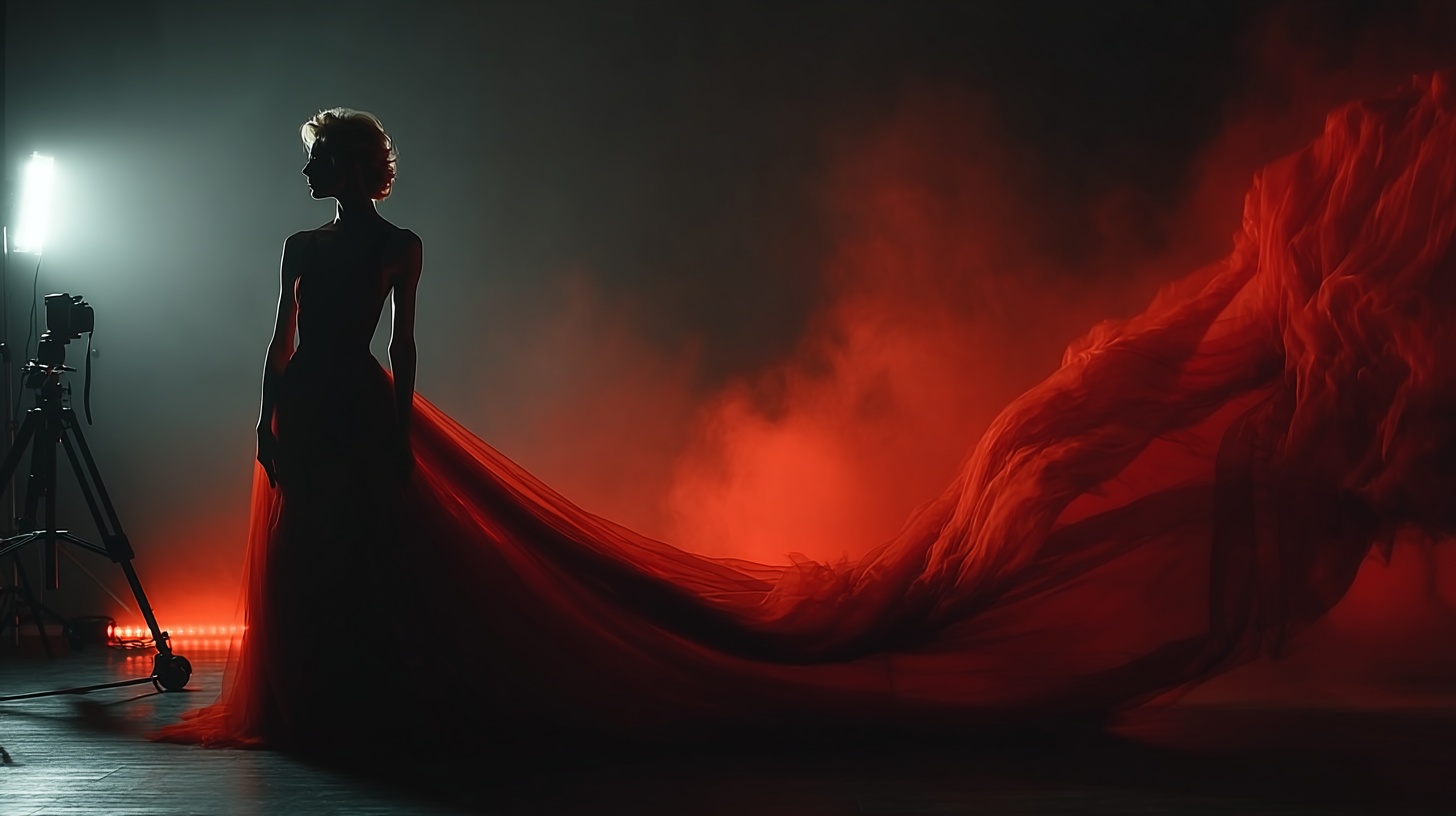
What Is advertising photography?
Advertising photography creates images for commercial purposes like billboards, social media, and print ads. Its goal is to drive sales by forging emotional connections between brands and their audience. Unlike standard e-commerce shots, it utilizes creative themes, unique props, and iconic NYC photo locations — like the dynamic skyline views from Brooklyn Heights — to help consumers imagine how a product enhances their lives.
Types of advertising photography
Advertising photography includes various sub-genres:
- Product photography: Highlights features with clear, detailed images, often in studios or context shots.
- Lifestyle photography: Shows products in real-life settings, such as a morning coffee run in SoHo, helping consumers envision their use.
- Food photography: Makes food look irresistible through expert styling and lighting.
- Fashion photography: Ranges from catalog shots to editorial spreads in the Meatpacking District that convey brand identity.
- Architectural photography: Captures the design and aesthetics of spaces, from Midtown skyscrapers to boutique hotels.
- Automotive photography: Features vehicles using dramatic motion or outdoor shots, perhaps crossing the Manhattan Bridge.
The role of photography in advertising
In today’s fast-paced world, visuals deliver messages faster than words. Strong imagery makes lasting first impressions, builds trust, and evokes emotion. Iconic campaigns succeed because they communicate brand values — authenticity or perseverance — visually and instantly, whether they are displayed on a massive screen in Herald Square or a subtle social media post.
Creating desire
Advertising photography goes beyond documentation, aiming to inspire aspiration. It helps consumers envision a better version of their lives — perhaps imagining themselves walking through Central Park with the latest tech or fashion.
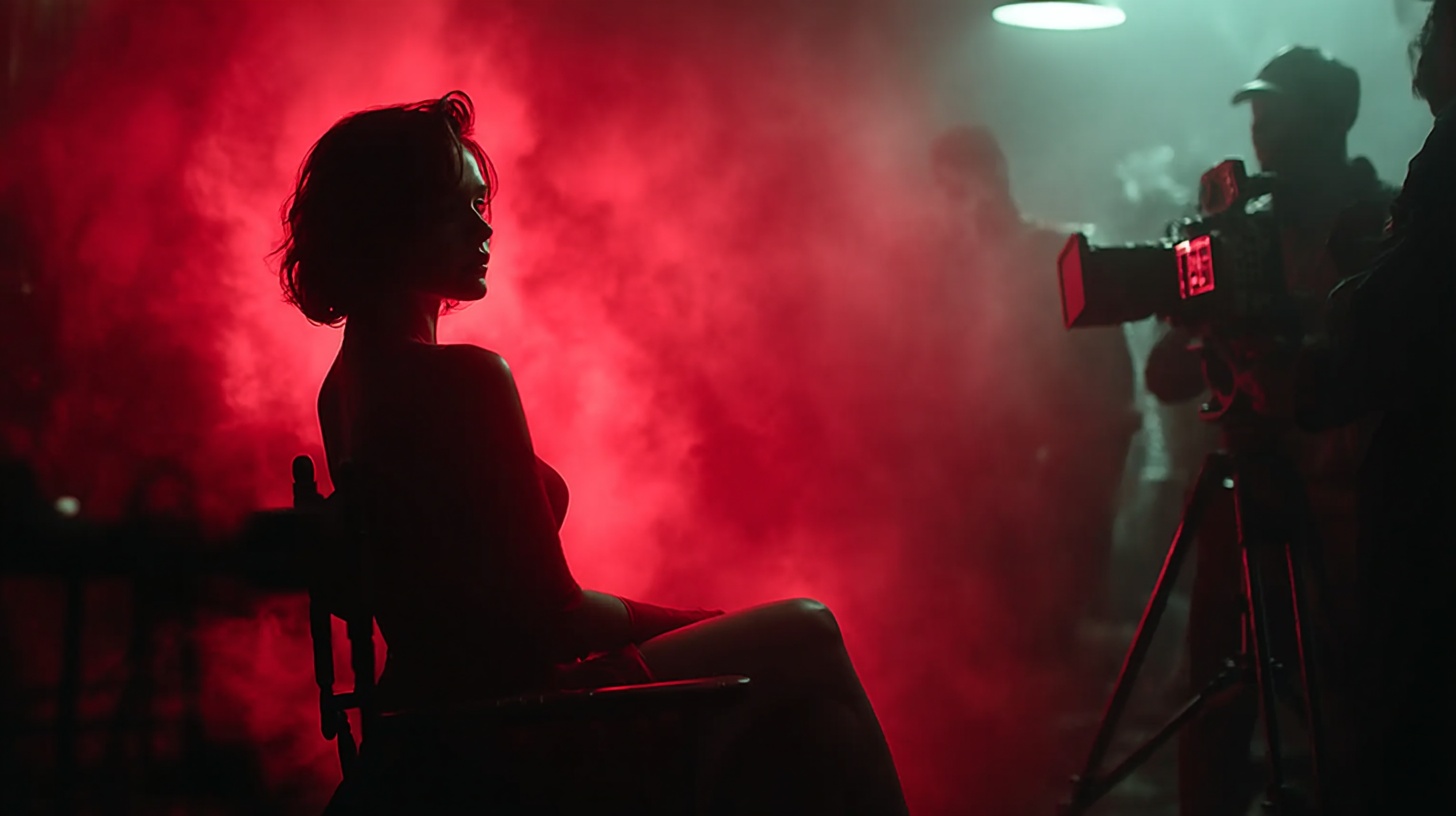
Key Elements of effective shots:
- Composition and lighting: Guiding viewers’ focus with layout and light.
- Emotional connection: Stirring joy, nostalgia, or excitement to shape perception.
- Color and contrast: Using color psychology (e.g., blue for trust, red for urgency) to evoke specific responses.
- Audience awareness: Tailoring visuals to target demographics.
Examples and use cases:
- Fashion: Urban or editorial settings in the West Village project identity (e.g., Zara).
- Food: Styling and lighting make items irresistible.
- Tech: Macro shots highlight sleek design (e.g., Apple).
- Automotive: Rugged backdrops or the cobblestone streets of Tribeca imply adventure or luxury (e.g., Land Rover).
Technology and ethics
Digital tools like Photoshop, AI, and AR enable highly immersive and polished visuals but blur the line between reality and artifice. Ethical responsibility is crucial:
- Avoid misrepresentation: Over-editing can create false expectations.
- Reject harmful stereotypes: Ensure diversity and avoid reinforcing negative beauty standards.
- Follow legal guidelines: Use proper licensing and model releases.
Great advertising photography balances creativity and honesty, crafting captivating and trustworthy images that engage audiences from the streets of Williamsburg to the global stage.